Self-Publishing vs Traditional Publishing: A UK Author's Comparison
You have finished the manuscript. The hard part should be over, yet now comes a decision that will shape the next two years of your writing life: do you query agents and publishers, or do you publish it yourself? Both routes can produce a real book with a real readership. They simply ask different things of you, and they pay out in different ways.
This comparison is aimed at UK authors weighing up the two paths. It covers what each one costs in time and money, how royalties tend to work, what happens to your rights, and how much say you keep over the finished book. Treat the figures as patterns rather than promises: every contract, genre and imprint differs, and any agreement you sign deserves a solicitor's eye.
Timelines: months versus years
Traditional publishing is slow, and much of the slowness happens before anyone has bought anything. You write a covering letter and synopsis, send them to agents who accept submissions in your genre, and wait. Responses can take weeks or months, and most will be no. If an agent says yes, they then approach publishers, which means more waiting, more rounds of interest, and often an auction or a quiet offer.
Once a deal is agreed, the clock still runs. A publisher might schedule your book twelve to eighteen months ahead, sometimes longer. Editing, cover design, proofreading, printing and the sales cycle all need room. A book signed this spring may not appear until the following autumn.
Self-publishing moves as fast as you can work. A realistic schedule for a novel is:
- Developmental edit and revisions: four to twelve weeks, depending on how much needs changing.
- Copy-edit and proofread: two to six weeks.
- Cover design, interior layout, ebook formatting: two to four weeks.
- Proof copies, final checks and upload: one to two weeks.
That puts a self-published book on sale in roughly three to six months from a finished draft, if you have budget and are organised. Rush it and readers will notice; the pace is a choice, not a requirement.
Costs: who pays, and for what
With traditional publishing, you should not be paying the publisher. Advances vary enormously, and many deals, particularly for debut literary fiction, come with a modest one or none at all. Your agent takes a commission, typically around fifteen per cent of what you earn, so factor that in when you imagine the money.
Self-publishing inverts this. You keep control and you carry the bill. The main costs are editorial and design, and they are worth paying for:
- Developmental editing. Structural feedback on story, pacing and character. Often the largest single expense, and often the most valuable.
- Copy-editing and proofreading. Grammar, consistency, typos. Non-negotiable if you want to be taken seriously.
- Cover design. A professional cover for your genre, not a stock image with a nice font.
- Formatting. Ebook and print interior files that behave properly on retailers' systems.
- Extras. ISBNs if you want to distribute widely, advertising, review copies, website costs.
You can keep costs down by swapping skills with other writers, but be honest about where your own abilities stop. If money is tight, spend it on editing and cover design before anything else. For anything involving contracts, copyright or tax, speak to a qualified professional rather than relying on forum advice.
Royalties: percentages and the maths behind them
Traditional royalties are usually calculated as a percentage of the recommended retail price or of net receipts, and the exact basis matters more than the headline number. A common arrangement for print is a tiered royalty that rises after a certain number of copies sell, while ebook rates are often higher than print. Your share arrives via your publisher, then your agent, and it is paid against the advance first. That advance is not a bonus; it is money earned early, and you will not see royalties until it has been covered.
Self-publishing pays differently. On most retailers you receive a percentage of the list price for ebooks, and print royalties are calculated after printing costs are deducted. That can mean a larger share per copy than a traditional contract, especially on ebooks, but you are selling from a standing start without a publisher's marketing machine behind you.
The honest comparison is not royalty percentage alone. It is percentage multiplied by copies sold. A lower rate on a book that sells thousands can beat a higher rate on a book that sells dozens.
Rights: what you are giving away
A traditional deal usually involves granting your publisher specific rights: print, ebook, audio, sometimes translation and film. These are often bundled together, and the publisher may hold them for the full term of copyright or a long fixed period. That matters if you later want to sell audio separately or reclaim the book if it goes out of print.
Read the grant of rights clause carefully. Ask what happens if the book is remaindered, how rights revert, and whether the publisher can sublicense without consulting you. None of this is a reason to refuse a good offer, but it is a reason to understand what you are signing.
Self-publishing leaves all rights with you. You decide whether to record an audiobook, translate the novel, or license a single territory. You can also change your mind later and approach publishers with a proven sales record, which some authors use as leverage.
Creative control and the work after the book
Traditional publishing brings expertise you would otherwise buy: editorial guidance, cover design, sales relationships, and a team whose job is to get the book into shops and onto review desks. The trade-off is consultation rather than command. Titles, covers and publication dates are often decided with you, not by you, and marketing budgets frequently go to a handful of lead titles.
Self-publishing hands you the final say on every detail, along with the responsibility. You are the project manager, the marketing department and the accounts team. Many authors enjoy this and build a direct relationship with readers through a newsletter and a steady backlist. Others find the admin drains the time they would rather spend writing.
Whichever route you choose, the work does not end at publication. Reviews need requesting, retailers need managing, and a second book sells the first. Ask yourself which tasks you are willing to do repeatedly for years, because that answer often points to the right path more clearly than any royalty table.
A practical way to decide
Start with your goal. If you want a career with a major house, bookshops and the validation of a trade deal, give traditional submission a proper run: research agents, follow their guidelines exactly, and keep writing the next book while you wait. If you want speed, control and a direct readership, self-publish with a realistic budget and treat your first book as a long-term asset.
You do not have to choose permanently. Plenty of UK authors self-publish a niche title and submit a different one to agents, or build sales independently before seeking a trade deal. Set a deadline, decide what you will spend, and put the manuscript to work. For contracts, copyright and tax questions, take proper legal and financial advice before you commit.
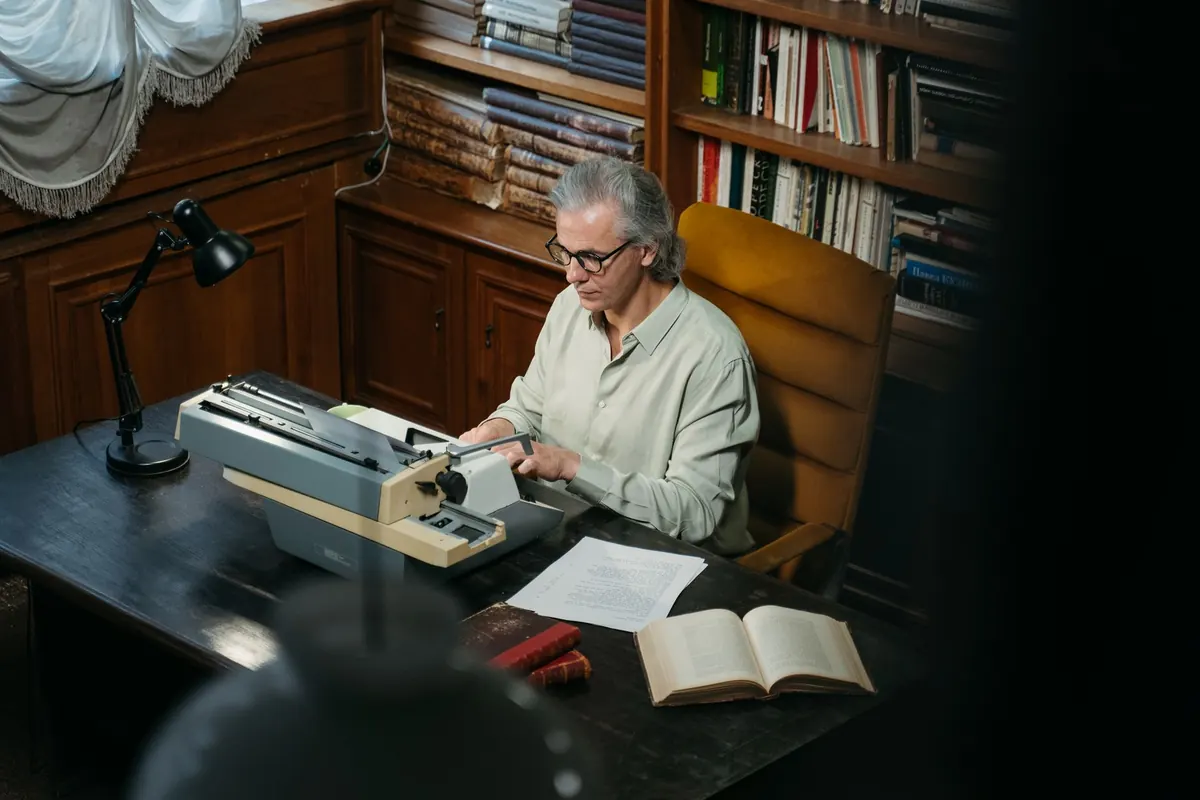
Photo: hoahoa111 / Pixabay